Ask ten traders what synthetic indices are and you’ll likely get ten different half-answers. Some call them “fake markets.” Others describe them as algorithm-driven price feeds. Neither captures what’s actually happening. On Weltrade, synthetic indices are instruments generated by mathematical models designed to replicate the statistical behavior of real financial markets; volatility, trend, and randomness, without being linked to any actual stock, currency, or commodity. Synthetic indices are different from traditional financial instruments because their price movements are generated using mathematical models rather than being directly determined by a real-world exchange. DailyForex provides a useful explanation of synthetic indices and how these markets differ from traditional financial instruments.

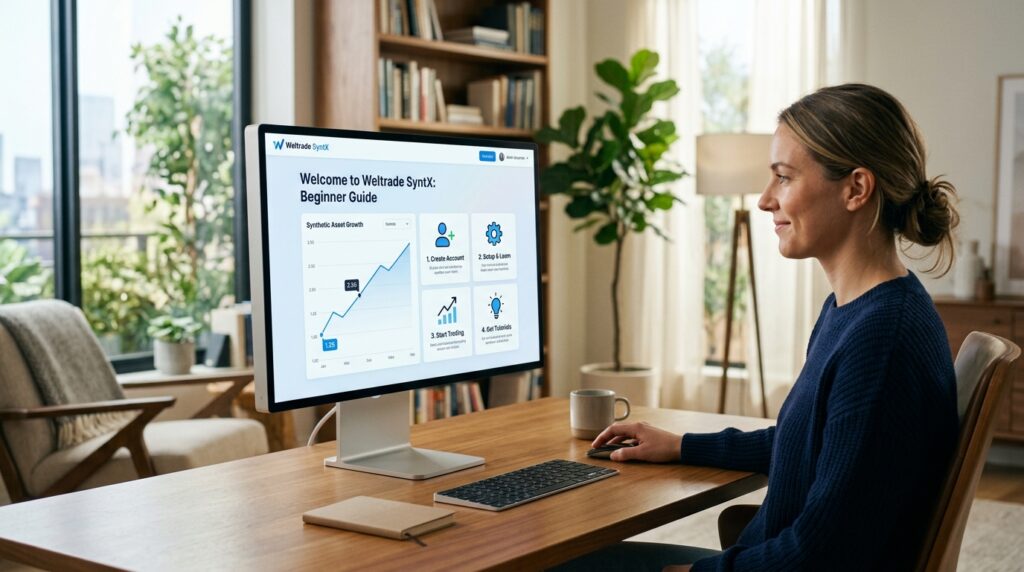
Setting up a your Weltrade Account is a simple process that can be done in fifteen seconds.
How They’re Actually Built
Real markets move because of company earnings, central bank decisions, geopolitical events, and millions of individual trading decisions. Synthetic indices skip all of that. Instead, a random number generator feeds into a pricing algorithm calibrated to produce a specific volatility profile. The result is a price chart that looks and behaves like a real market, complete with candles, trends, and pullbacks but is entirely self-contained.
This matters practically: no earnings reports move these instruments, no central bank statement causes a spike, and no weekend gap appears because trading never actually closes. It also means the usual toolkit for reading real markets, economic calendars, news sentiment, correlation with other assets, simply doesn’t apply here. The chart is the entire story, which is both simpler and, for traders used to fundamental analysis, initially disorienting.

Why Weltrade Offers Them Under SyntX
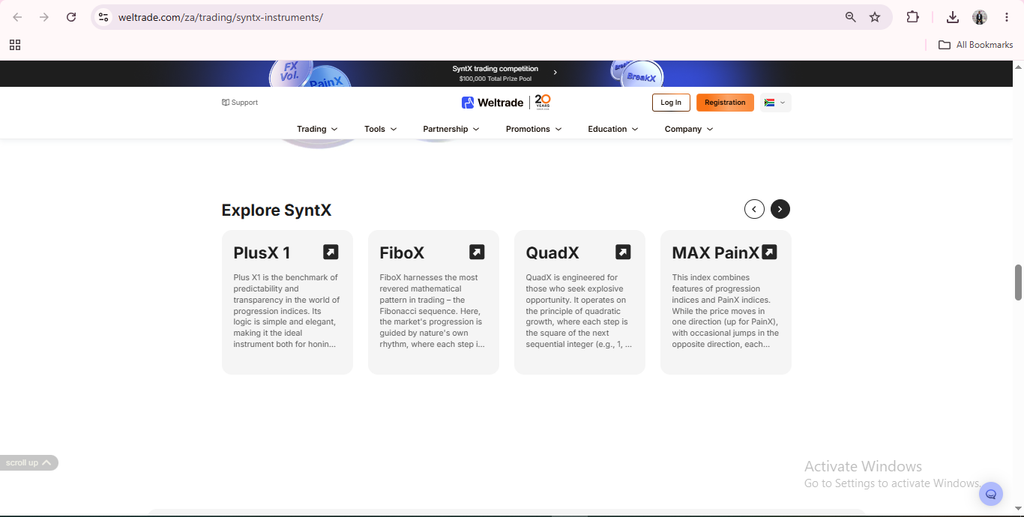
Weltrade groups its synthetic instruments under the SyntX account and platform umbrella. Within that category sit several distinct instrument families, each engineered with a different personality. Some track closer to how forex pairs typically move. Others are built around scheduled volatility spikes at fixed intervals. A separate group delivers a steady, step-like price progression, while another leans almost entirely on randomized jumps.

Because each family behaves differently, “synthetic indices” isn’t really one product, it’s a category, and picking the right instrument matters as much as picking the right strategy. Our guide on Are synthetic indices manipulated shows more about the behavior of indices.

What Makes Them Attractive to Traders
The appeal isn’t just novelty. Synthetic indices trade continuously, including weekends, which real markets simply can’t offer. Spreads are often fixed rather than floating, so cost-per-trade doesn’t widen unpredictably during volatile periods. There’s also no slippage from real-world news events, since none of the instruments respond to headlines. In Are Weltrade Indices available on weekends we cover how synthetic indices are always open.
For traders who’ve been frustrated by unpredictable spread widening or unexpected news-driven gaps on traditional instruments, that predictability is a genuine draw. It’s also part of why synthetic indices attract traders in time zones poorly served by standard forex session hours. There’s no waiting for London or New York to open.
What They’re Not
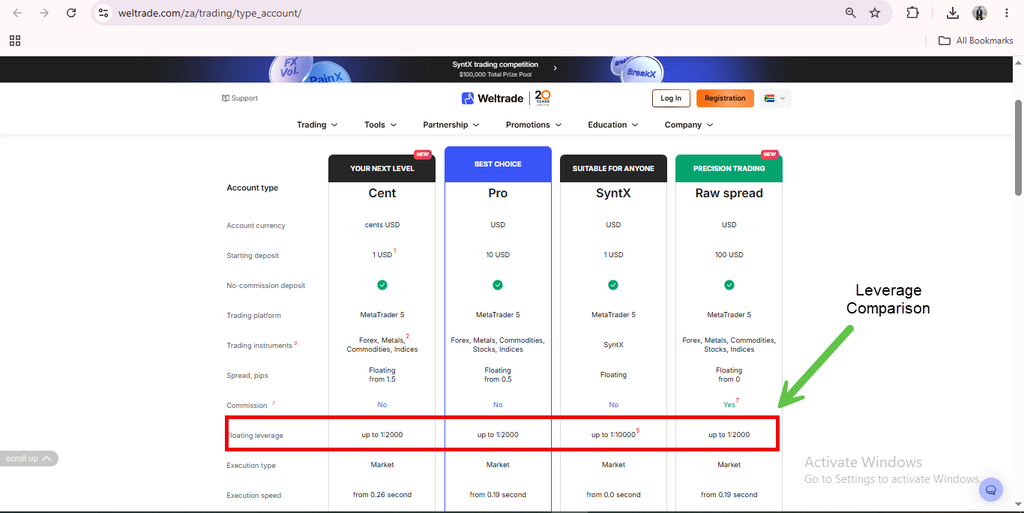
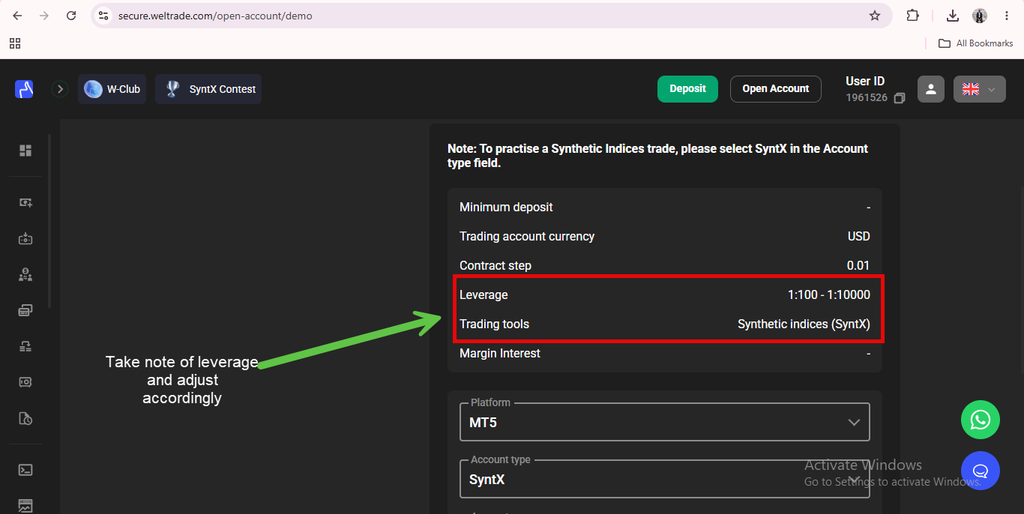
It’s worth being direct about the misconception that trips up a lot of beginners: synthetic indices are not a shortcut to guaranteed profits, and they’re not “less real” just because there’s no underlying asset. Price movement is still unpredictable, leverage still amplifies both gains and losses, and risk management still matters exactly as much as it does on any other instrument.
Where to Go From Here
Understanding what synthetic indices actually are is the foundation for trading them well. Once the mechanics make sense, the next questions are practical: which instrument fits your style, and how do you actually place a trade? What Is the Weltrade SyntX Account picks up exactly where this one leaves off.

If you’re ready to see these instruments in action rather than just read about them, open a Weltrade account and explore the SyntX chart list for yourself. It costs nothing to look.