New traders exploring Weltrade often land on the same question: should I trade forex, or try SyntX’s synthetic indices instead? They’re not competing versions of the same thing, they’re built on entirely different foundations, and understanding that difference matters more than picking whichever one looks more exciting. Forex is fundamentally different from synthetic indices because currency prices are connected to real-world markets and economic conditions. BabyPips provides a useful beginner-friendly explanation of how the forex market works and what drives currency prices.

You can create your own Weltrade account in fifteen seconds here.
What Drives Price Movement
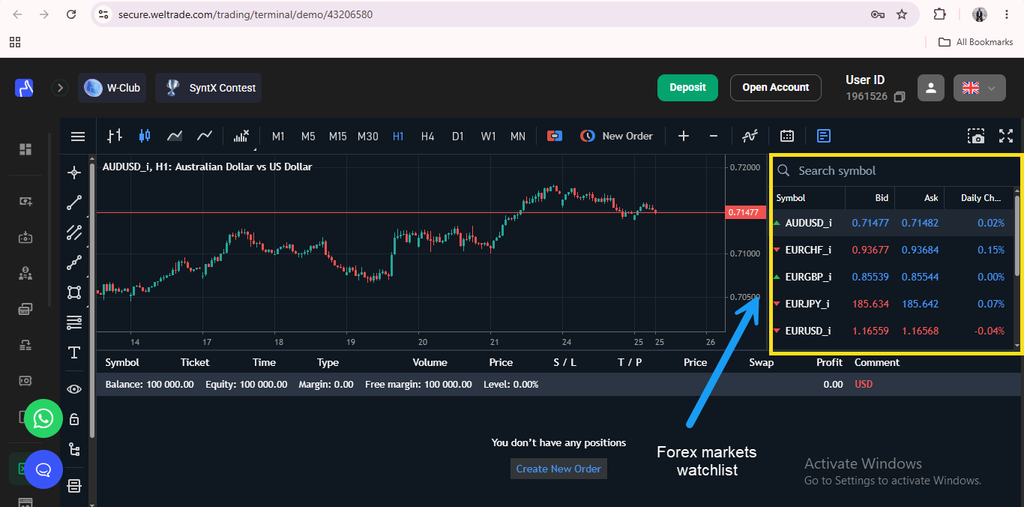
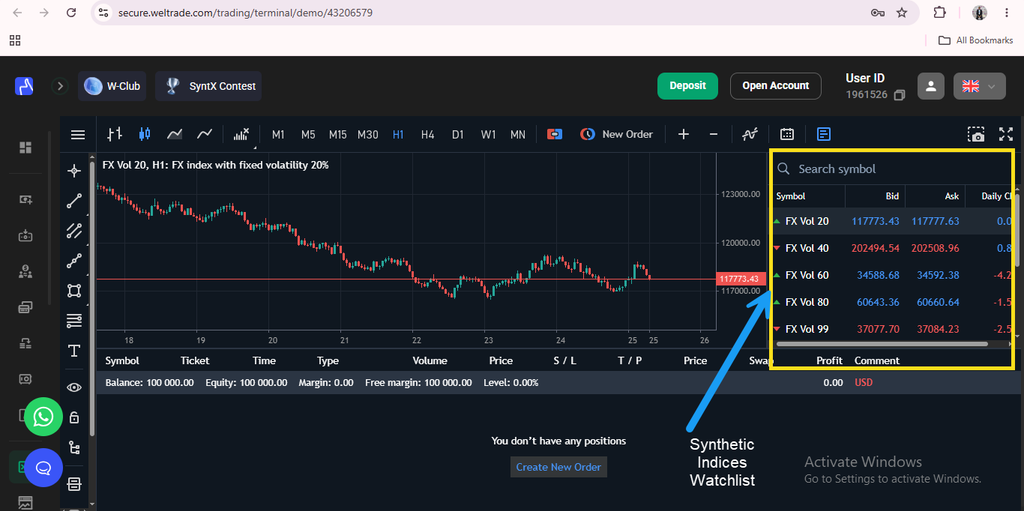
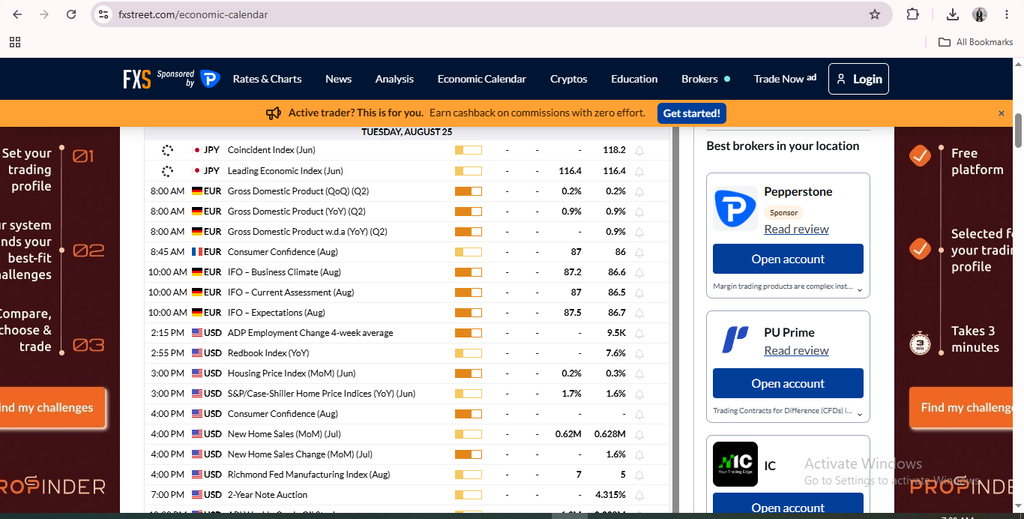
Forex pairs move because of real-world forces like interest rate decisions, employment data, geopolitical shifts, and the collective behavior of banks, funds, and retail traders reacting to news. SyntX instruments move because of algorithms calibrated to produce specific volatility patterns, with no connection to real economic events. One market reacts to the world; the other runs independently of it. That distinction alone changes what “doing research” even means. Forex traders study economic calendars, while SyntX traders study instrument behavior instead.
Trading Hours
Forex markets, while open five days a week across global sessions, still close for the weekend and can gap sharply when they reopen after major news. SyntX instruments trade continuously, 24 hours a day, seven days a week because there’s no underlying market to close. For traders who want weekend access or don’t want to worry about Monday gap risk, this is one of the clearest practical differences. It also changes how you think about holding positions overnight. A forex position carries weekend gap risk that a SyntX position simply doesn’t. Learn more in What Is the Weltrade SyntX Account.
Spreads and Costs
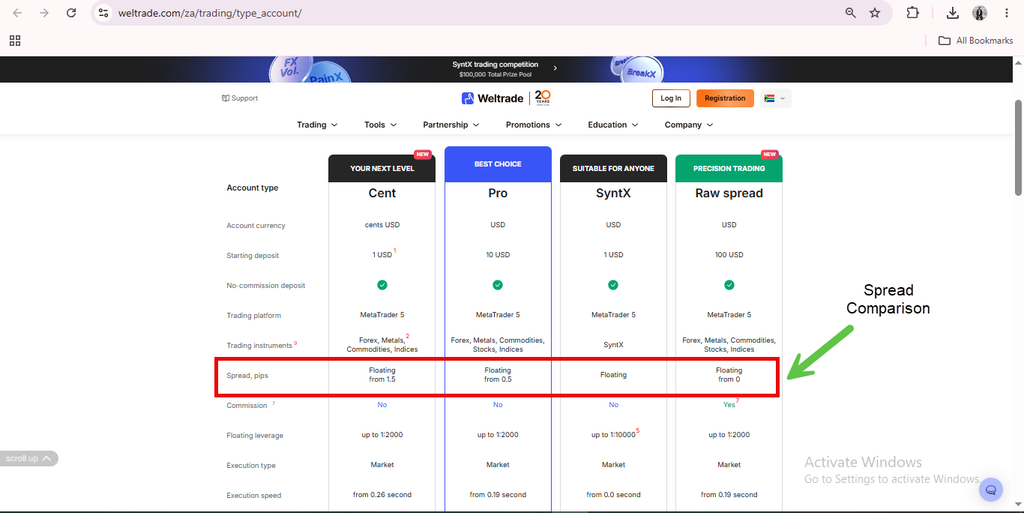
Forex spreads on Weltrade’s standard accounts float with market conditions, tightening in calm periods and widening around news releases. SyntX spreads are fixed, meaning your cost per trade doesn’t shift based on volatility or time of day. That predictability cuts both ways: you won’t get the occasional ultra-tight spread during quiet periods, but you also won’t get blindsided by a sudden widening during a data release.
Leverage

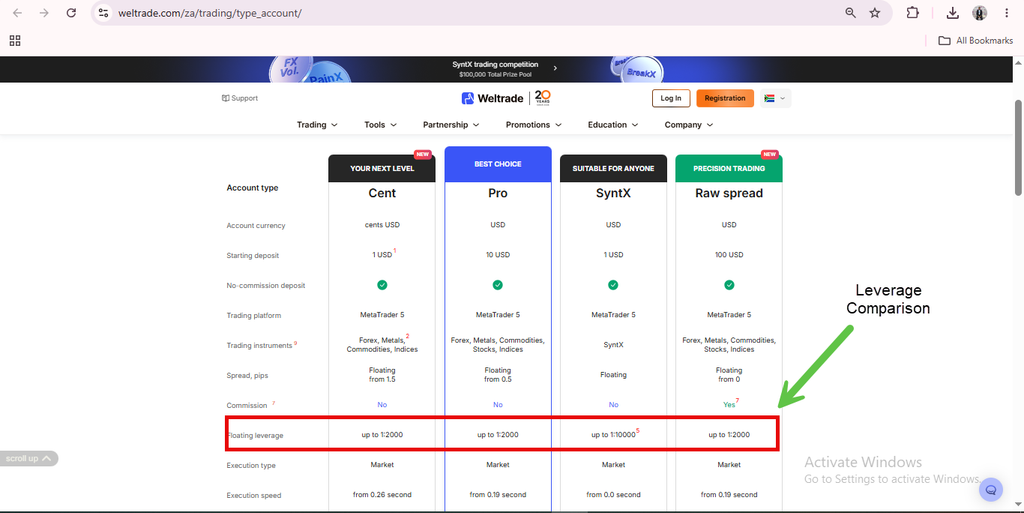
Standard forex accounts on Weltrade top out around 1:1000. SyntX pushes that to 1:10000, a ten-fold difference. This isn’t necessarily an advantage; it’s a different risk profile that requires more disciplined position sizing, since the same percentage move can affect your margin far more dramatically. Traders moving from standard forex leverage to SyntX often need to consciously resize their positions downward rather than assuming their usual lot sizing still applies.
What Actually Moves Each Market
Forex requires traders to track economic calendars, central bank commentary, and geopolitical developments. SyntX requires understanding the specific volatility behavior of each instrument family instead. Since there’s no news to anticipate, the “fundamentals” are the algorithm’s design itself. For more on how the account types differ beyond just SyntX vs. forex, see our guides on What Are Weltrade Trading Account Types.

So Which Should You Choose?
Neither is objectively better. They suit different trading interests. If you want to trade around real-world events and enjoy following economic news, forex is the natural fit. If you’d rather trade continuously, with fixed spreads and no dependence on headlines, SyntX is worth exploring. Some traders end up using both, treating them as separate strategies rather than substitutes.

If synthetic markets sound like the better fit for your schedule, set up a Weltrade SyntX account and compare it against your current forex setup firsthand.