Every SyntX trader starts on one of two versions of the same account, demo or real, and understanding exactly what separates them helps you decide when it’s actually time to make the switch. A demo account can closely replicate the platform experience without putting real money at risk, but some aspects of live trading cannot be fully reproduced. DailyForex’s 2026 guide explains the key differences between demo and live trading accounts and the limitations of demo trading.

The same credentials to log into your Weltrade demo are the same as the ones to log into your real account. Ensure you have created an account here.
Same Platform, Same Instruments
Both demo and real SyntX accounts run on identical MT5 infrastructure, with access to the exact same instrument list, charting tools, and order types. Price feeds behave the same way on both, meaning what you observe on a demo instrument is genuinely representative of how it moves on a live account.
The Core Difference: Real Money
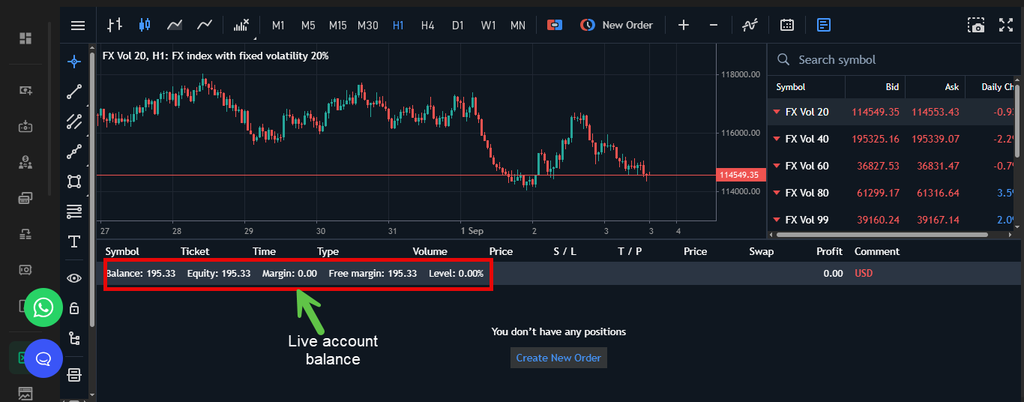
The obvious distinction is that a demo account trades with virtual funds, while a real account uses money you’ve actually deposited. That single difference changes more than just the numbers on screen. Trading with real capital introduces a psychological element that virtual funds simply can’t replicate, which is why demo performance doesn’t always predict live performance perfectly. For opening your first live account, see How to Open a Weltrade SyntX Account.

Execution Can Feel Slightly Different
While price feeds are the same, some traders notice execution on a live account can feel marginally different from demo, particularly during fast-moving instrument spikes. This isn’t universal or dramatic, but it’s a reason not to assume your demo results will translate to identical live results down to the pip.
The Psychological Gap
This is the difference that actually matters most. Losing a virtual $50 on a demo account produces no real emotional reaction. Losing a real $50 does and that emotional response can push traders toward impulsive decisions they’d never make on demo, like abandoning a stop-loss or doubling a position size to “win it back.” Recognizing this gap before switching to live is more valuable than any technical difference between the two account types. For the steps to set up a demo in the first place, see our guide on How to Open a Weltrade SyntX Demo Account.

When Switching Makes Sense
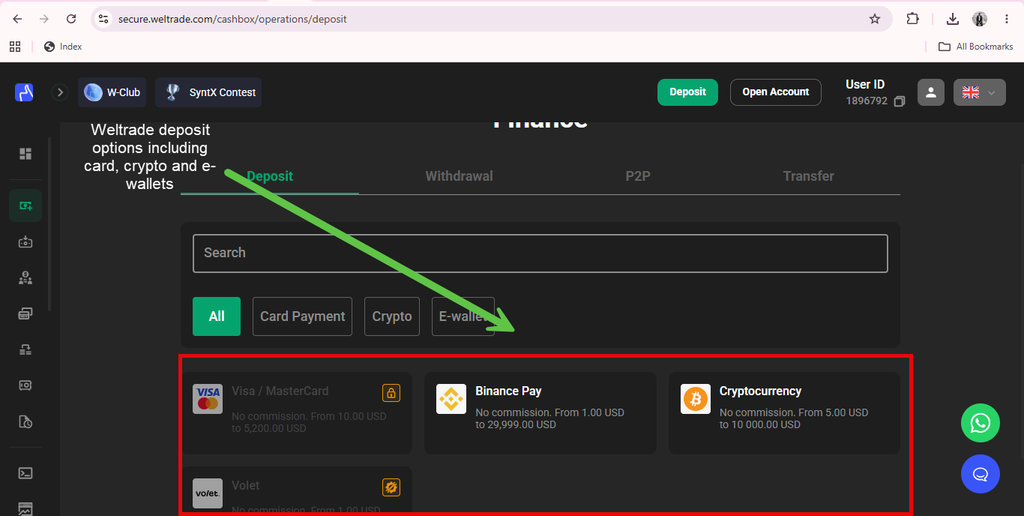
A reasonable signal that you’re ready to move from demo to real is consistent, repeatable results across a few different instrument types over a meaningful stretch of time not a single strong session. It also helps to start your real account with a deposit size you’re genuinely comfortable losing, easing the psychological transition rather than jumping straight to your full intended capital.
Keeping Both Accounts Active
Many experienced traders keep a demo account running alongside their live one, using it to test new instruments or strategies before risking capital on them. There’s no real downside to this. Demo accounts don’t cost anything to maintain, and they give you a risk-free space to keep experimenting even after you’ve gone live. A demo account is particularly useful whenever you’re considering a new instrument family you haven’t traded before, letting you get a feel for its typical volatility before committing real capital to it, regardless of how experienced you’ve already become on your existing live account.

Making the Transition Work
The mechanics of demo and real accounts are nearly identical; the meaningful difference is entirely psychological.
Ready to see how your strategy performs with real capital? Open a Weltrade SyntX account once you’ve built confidence on demo.


